
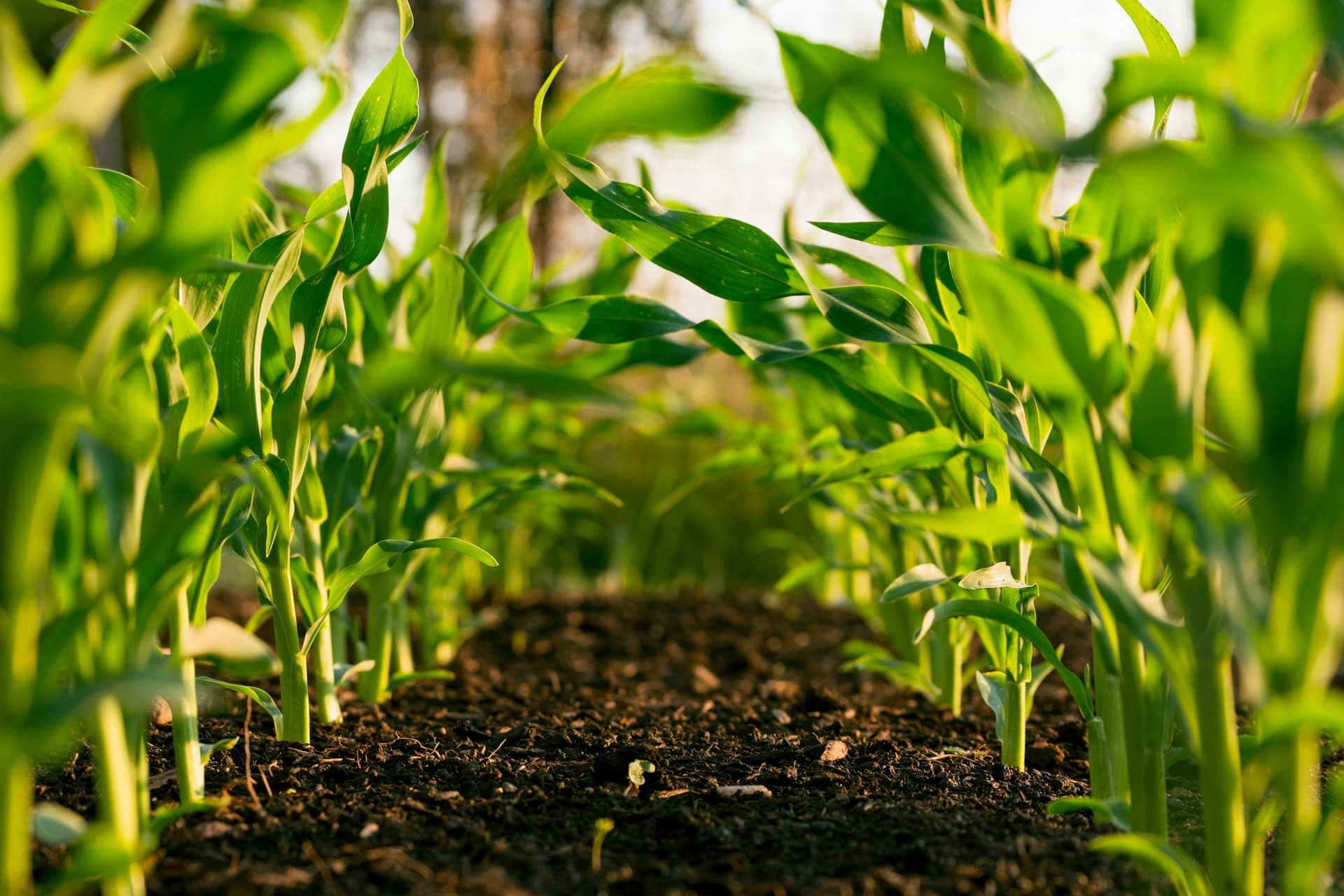
Why Does Risk Start at the Parcel?
The parcel is the system’s smallest unit of measurement; every risk assessment derives from it. A single drought signal produces an entirely different outcome on a parcel with low water-holding capacity and under a different crop. That is why a risk score is built by reading the hazard together with the parcel’s sensitivity and adaptive capacity — turning a meteorological warning into a corporate decision metric.
Past, Present, Near Future
The past carries static risk: hazard climatology, event history and fixed soil/land properties. The present is the interpretation of the latest satellite and climate signals. The near future is the inference built on top of these two: operational decision support such as frost, heat, rainfall-deficit, irrigation and spraying windows.
How Does It Scale to a Portfolio?
Each parcel’s result is aggregated upward from village/neighborhood to district, province and region. Whatever level you need, the same view reads consistently there; individual farmland turns into a risk map that can be reported at the corporate level.
Evidence for the Decision
No risk score is a bare estimate. Every output is tied to the observations, physical indicators and historical comparison it rests on, and comes with a confidence grade. The answer to “where did this number come from?” is kept for every metric.